
Hard water contains high levels of dissolved minerals, primarily calcium and magnesium. While these minerals aren’t considered harmful to drink, they can silently damage your plumbing, appliances, fixtures, clothing, and even your skin and hair over time.
The good news? Every hard water problem has a solution.
In this guide, we’ll cover the 10 most common problems caused by hard water, explain why they happen, and show you how a whole-home water refining system can protect your home while improving your everyday water quality.
What Causes the Problems Caused by Hard Water?
Hard water is water that contains elevated concentrations of calcium and magnesium minerals collected as groundwater moves through rock and soil.
According to the U.S. Geological Survey (USGS), hard water naturally forms as groundwater moves through mineral-rich rocks and soil, picking up dissolved calcium and magnesium along the way.
Although these minerals occur naturally, they create ongoing problems inside your home by leaving behind stubborn mineral deposits, commonly called limescale or hard water scale.
Over time, hard water can:
- Damage plumbing systems
- Reduce appliance efficiency
- Increase energy bills
- Make cleaning more difficult
- Affect your skin, hair, and laundry
- Leave unpleasant residue throughout your home
The harder your water is, the faster these issues develop.
10 Common Problems Caused by Hard Water
1. White Spots and Scale Buildup on Dishes and Glasses
One of the first signs homeowners notice is cloudy glassware covered in white spots after running the dishwasher.
Those spots aren’t leftover soap, they’re mineral deposits left behind as the water dries.
You’ll often see buildup on:
- Glasses
- Plates
- Silverware
- Coffee makers
- Kettles
The Fix
A whole-home water refining system significantly reduces mineral buildup, helping dishes come out cleaner while protecting your dishwasher from internal scale accumulation.
2. Dry, Itchy Skin After Showering
If your skin feels tight or itchy after every shower, hard water could be the culprit.
Calcium and magnesium make it harder for soap to rinse away completely, leaving residue on your skin. Natural oils may be removed by this residue, which could result in:
- Dry skin
- Irritation
- Flaking
- Increased sensitivity
Many homeowners notice healthier-feeling skin after improving their home’s water quality.
The Fix
Cleaner, conditioned water helps soap rinse away more effectively while reducing mineral residue left on your skin.
3. Dull, Faded Laundry Even After Washing
Hard water doesn’t just affect your plumbing, it affects your clothes too.
Minerals become trapped within fabric fibers, causing clothing to appear:
- Faded
- Dingy
- Stiff
- Less vibrant
Even premium detergents struggle to work efficiently in hard water.
The Fix
Water treatment allows detergents to perform more effectively, helping clothes stay softer, brighter, and cleaner while reducing detergent usage.
4. Soap and Shampoo Won’t Lather Properly
Ever feel like you’re using twice as much shampoo or dish soap?
That’s because hard water reacts with soap before it can properly clean.
The result:
- Poor lather
- Soap scum
- More product usage
- Residue left behind
The Fix
When minerals are properly managed, soaps create richer lather, rinse faster, and clean more efficiently.
5. Clogged Pipes and Reduced Water Pressure
One of the most expensive problems caused by hard water happens where you can’t see it.
Mineral scale slowly accumulates inside plumbing pipes, gradually reducing the available space for water to flow.
Over time, homeowners may notice:
- Lower water pressure
- Slower faucets
- Reduced shower performance
- Expensive plumbing repairs
The Fix
Preventing scale buildup helps maintain healthy water flow and protects your plumbing system for years to come.
6. Water Heater Inefficiency and Higher Energy Bills
Water heaters are especially vulnerable to hard water.
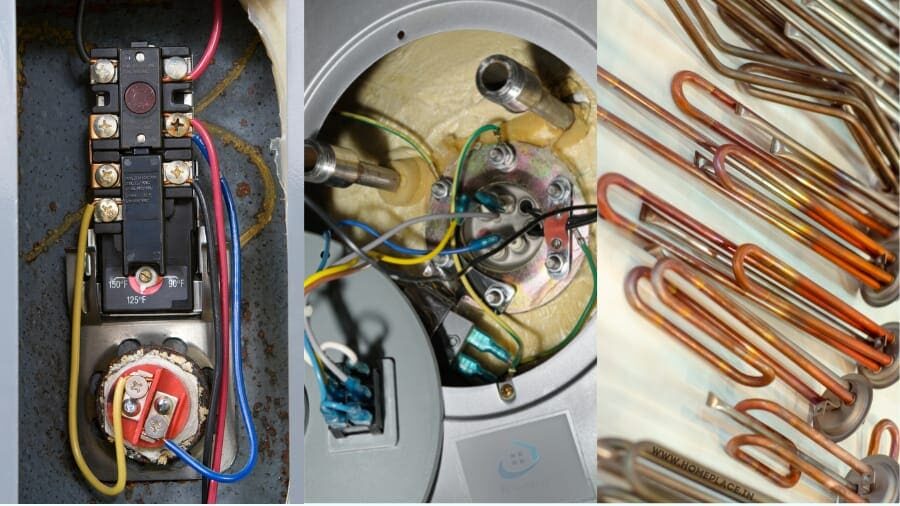
Minerals settle inside the tank and around heating elements, creating an insulating layer that forces the system to work harder.
This can lead to:
- Higher utility bills
- Longer heating times
- More repairs
- Premature replacement
The Fix
Reducing mineral buildup helps your water heater operate more efficiently while extending its lifespan.
7. Shortened Lifespan of Household Appliances
Your dishwasher, washing machine, ice maker, and other water-using appliances all suffer from hard water.
Mineral buildup can clog internal components and reduce efficiency, leading to costly repairs or early replacement.
Replacing major appliances years earlier than expected can cost thousands of dollars.
The Fix
Protecting appliances from scale buildup helps improve performance, reduce maintenance, and maximize their lifespan.
8. Stiff, Scratchy Towels and Bedsheets
Freshly washed towels should feel soft, not rough.
Hard water minerals remain trapped inside fabric fibers, making towels, sheets, and clothing feel stiff even after washing.
The Fix
Conditioned water allows fabrics to rinse more thoroughly, helping maintain softness wash after wash.
9. Mineral Deposits on Faucets and Showerheads
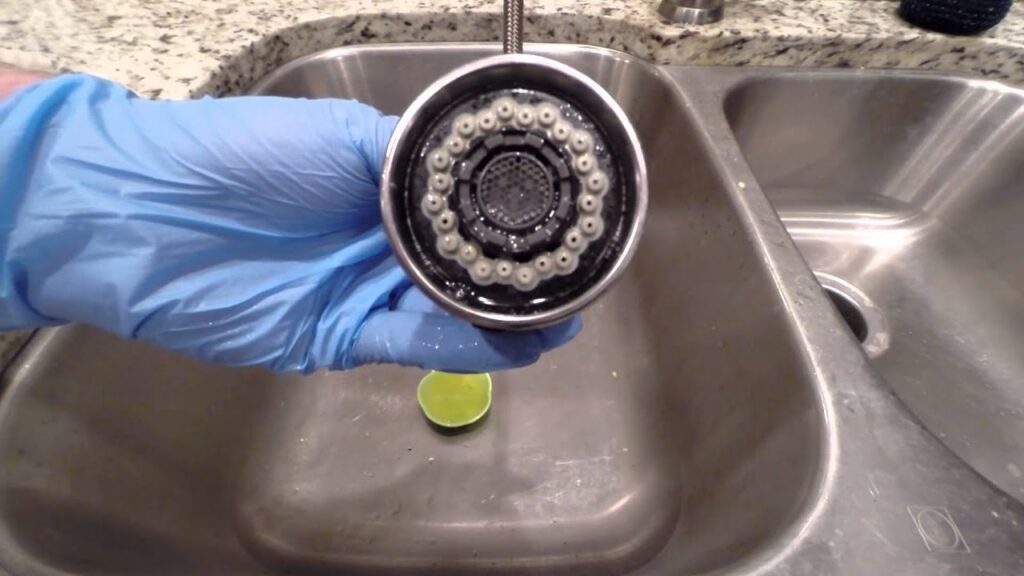
Those white crusty rings around faucets and showerheads are classic hard water deposits.
Over time they become increasingly difficult to remove and can even block water flow.
Common places you’ll notice buildup include:
- Kitchen faucets
- Bathroom sinks
- Showerheads
- Bathtubs
- Glass shower doors
The Fix
Treating hard water greatly reduces mineral deposits, making fixtures easier to clean and helping them maintain their original appearance.
10. Unpleasant Taste and Odor in Tap Water
Many municipal water sources also contain chlorine, chloramines, and other impurities that alter flavor and odor, even though hardness minerals by themselves typically don’t cause strong flavors.
The U.S. Environmental Protection Agency (EPA) explains that drinking water may contain naturally occurring minerals as well as disinfectants and other substances that can affect taste and odor.
If your tap water tastes metallic or smells unpleasant, additional filtration may be beneficial.
The Fix
Pairing a whole-home water refining system with a reverse osmosis drinking water system provides cleaner, better-tasting water while reducing a wide range of unwanted contaminants.
Why Southern California Homes Are More Prone to Hard Water
Southern California is well known for having hard water due to naturally occurring minerals in regional water sources.
Communities throughout the region, including Corona and surrounding areas, often experience elevated mineral levels that contribute to:
- Scale buildup
- Appliance wear
- Plumbing issues
- Dry skin
- Soap residue
If you’ve already noticed white spots on dishes or buildup around fixtures, your home’s water hardness may be higher than you realize.
See our post on Signs Your Corona Home Is Affected by Hard Water for further local information.
How a Water Refining System Fixes Problems Caused by Hard Water
The best long-term solution isn’t constantly cleaning mineral buildup, it’s preventing it in the first place.
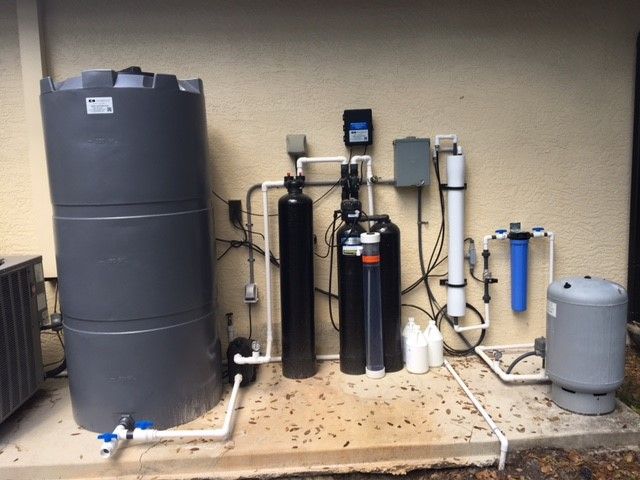
Nuvia Water’s Enhanced Water Refining Systems are engineered, designed, and assembled in the USA using industry-leading filtration media and smart valve technology to improve water quality throughout your home.
Benefits include:
- Cleaner dishes and glassware
- Softer skin and hair
- Softer laundry
- Longer-lasting appliances
- Reduced scale buildup
- Improved plumbing performance
- Better cleaning with less soap
- Reduced maintenance costs
For homeowners seeking advanced whole-home protection, the NUVIA PRO Water Refining System delivers comprehensive water treatment designed to help reduce hard water issues while providing cleaner water throughout the home.
Whether you’re looking to protect your investment, improve comfort, or enjoy higher-quality water every day, Nuvia offers solutions built for long-term performance.
Get a FREE Water Analysis for Problems Caused by Hard Water
Many homeowners don’t realize how much hard water is costing them until they see the results.
A professional water analysis can identify:
- Water hardness levels
- Chlorine
- Chloramines
- Other common water quality concerns
Once you understand what’s in your water, you can choose the right solution for your home.
If you’re experiencing any of the problems caused by hard water listed above, now is the perfect time to take action.
Schedule your FREE Water Analysis today and discover how Nuvia Water can help protect your plumbing, appliances, and family with advanced water refining solutions.
Internal Link Opportunities
- Enhanced Water Refining Systems.
- NUVIA PRO Water Refining System.
- Signs Your Corona Home Is Affected by Hard Water.
- Schedule a FREE Water Analysis.
Questions people ask
What are the most common problems caused by hard water?
The most common issues include scale buildup, dry skin, stiff laundry, cloudy dishes, clogged pipes, reduced water pressure, higher energy bills, appliance damage, soap scum, and mineral deposits on fixtures.
Is hard water dangerous to drink?
Hard water is generally considered safe to drink. However, it can negatively impact plumbing, appliances, cleaning efficiency, and overall household comfort. If taste or odor is a concern, additional drinking water filtration may help.
How can I tell whether my water is hard?
Common signs include white spots on dishes, buildup around faucets, dry skin after showering, soap that doesn't lather well, stiff laundry, and reduced water pressure. A professional water analysis is the most reliable way to determine your home's water hardness.
Can a whole-home water refining system help?
Yes. A professionally installed whole-home water refining system helps reduce mineral-related issues, protects plumbing and appliances, improves cleaning performance, and enhances water quality throughout your home.
Book your free water analysis today.
A Nuvia specialist checks your water at your tap and shows you the numbers.