If you’ve ever filled a glass from your kitchen faucet and wondered whether it’s truly safe to drink, you’re not alone.
It’s one of the most common questions homeowners ask, and the answer isn’t as simple as “yes” or “no.”
The good news is that Corona’s municipal tap water is required to meet federal and California drinking water standards before it reaches your home. Local water providers perform extensive testing throughout the year, and annual Consumer Confidence Reports (CCRs) summarize those results for residents.
However, many homeowners still notice unpleasant tastes, chlorine odors, hard water buildup, or concerns about what remains in their drinking water after treatment.
So what exactly is in Corona’s tap water, and when does home water filtration make sense?
Let’s take a closer look.
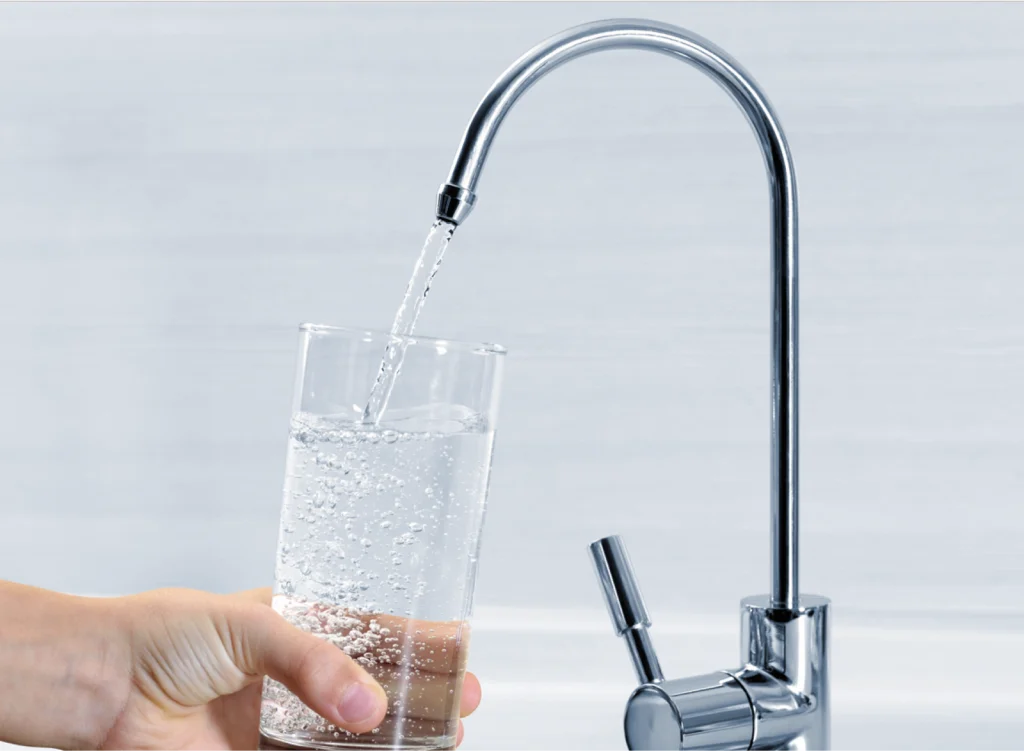
Is Corona’s Tap Water Safe?
In general, yes.
The City of Corona Utilities Department and regional water agencies publish annual Consumer Confidence Reports (CCRs) that explain where local water comes from, how it is treated, and the results of routine water quality testing.
These reports consistently show that municipal drinking water meets or exceeds the drinking water standards established by the U.S. Environmental Protection Agency (EPA) and the California State Water Resources Control Board. Water providers conduct thousands of laboratory tests each year to monitor regulated contaminants and ensure compliance with state and federal requirements.
That means the water delivered to your home is considered safe to drink according to current regulatory standards.
But “meeting legal standards” doesn’t necessarily mean your water is free from every substance that homeowners may notice, or want to reduce.
What’s Actually in Corona’s Tap Water?
Municipal drinking water naturally contains a variety of dissolved minerals and treatment byproducts.
Depending on your neighborhood and water source, your tap water may contain:
- Calcium and magnesium (hard water minerals)
- Chlorine or chloramine used for disinfection
- Naturally occurring minerals
- Small amounts of sediment
- Trace levels of regulated contaminants that remain below legal limits
It’s important to remember that the presence of a contaminant does not automatically mean the water is unsafe.
Federal and state regulations establish Maximum Contaminant Levels (MCLs), the highest concentrations legally allowed in public drinking water systems. Water utilities routinely monitor these levels and are required to notify customers if standards are exceeded.
Safe Doesn’t Always Mean Pleasant
Many homeowners confuse water safety with water quality.
Water can fully comply with drinking water regulations and still have characteristics that people would prefer to improve.
Some of the most common complaints include:
Hard Water
Hard water is one of the biggest water quality issues throughout Corona and much of Riverside County.
High levels of calcium and magnesium leave behind:
- White spots on dishes
- Mineral buildup on faucets
- Soap scum
- Dry skin
- Reduced appliance efficiency
If you’ve experienced these issues, you may enjoy reading our guide:
Hard Water in Corona, CA: Signs Your Home Is Affected and What to Do
Chlorine Taste and Odor
Chlorine plays an important role in disinfecting public drinking water.
While it helps protect public health during distribution, some homeowners notice:
- A swimming-pool-like smell
- Unpleasant taste
- Stronger odors after water sits in a glass
Many people choose filtration simply because they prefer cleaner-tasting drinking water.
Sediment
Depending on local infrastructure or plumbing conditions, small amounts of sediment or fine particles may occasionally be present.
While utilities work to minimize these issues, point-of-use filtration can improve water clarity.
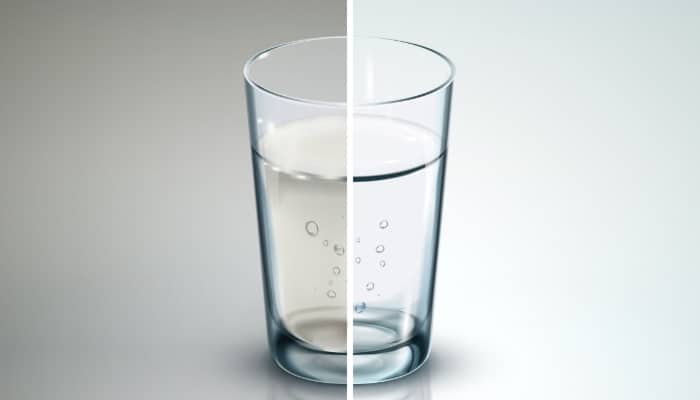
What Can Home Water Filtration Remove?
Different water treatment systems solve different problems.
For example:
Whole-Home Water Refining Systems
These systems treat water as it enters your home and help address issues such as:
- Hard water minerals
- Scale buildup
- Chlorine taste and odor
- Sediment
- Everyday water quality throughout the house
Because every faucet receives treated water, these systems can improve bathing, laundry, cleaning, and appliance performance in addition to drinking water.
Reverse Osmosis Drinking Water Systems
Reverse osmosis (RO) systems are installed under the kitchen sink and focus specifically on drinking and cooking water.
Advanced RO systems help reduce:
- Dissolved solids
- Chlorine
- Sediment
- Certain heavy metals
- Many other common drinking water impurities
The result is cleaner, fresher-tasting water directly from your dedicated drinking water faucet.
If you’re trying to decide which option is right for your home, our guide explains the differences:
Water Softener vs. Water Filter: Which Do You Need?
Should You Be Concerned About Your Home’s Water?
Every home is different.
Even if municipal water leaves the treatment plant in excellent condition, water can still be affected by:
- The age of neighborhood water mains
- Household plumbing materials
- Water heater condition
- Local water hardness
- Plumbing scale buildup
That’s one reason many homeowners choose to have their water professionally tested instead of relying only on the city’s annual report.
A home water analysis provides information about the water coming from your faucet, not just the treatment facility.
Where Can You Find Corona’s Water Quality Report?
Every year, local water providers publish a Consumer Confidence Report (CCR) that summarizes:
- Where your drinking water comes from
- Water treatment methods
- Testing results
- Detected contaminants
- Compliance with federal and California standards
Reading your annual report is one of the best ways to better understand your local water supply.
Helpful resources include:
- City of Corona Utilities Consumer Confidence Report
- Eastern Municipal Water District (EMWD) Consumer Confidence Report
- U.S. Environmental Protection Agency (EPA) Drinking Water Information
These reports provide valuable transparency and explain how your drinking water is monitored throughout the year.
How Nuvia Water Can Help
At Nuvia Water, we believe homeowners should understand exactly what’s in their water before choosing a treatment solution.
Our whole-home water refining systems are designed to help improve water quality throughout your home, while our reverse osmosis drinking water systems provide cleaner, better-tasting water directly from your kitchen faucet.
Whether your primary concern is hard water, chlorine taste, sediment, or drinking water quality, the right solution begins with understanding your home’s unique water conditions.
Schedule Your FREE Water Quality Test
The annual Consumer Confidence Report is an excellent starting point, but it doesn’t tell you everything about the water coming from your own tap.
A professional water analysis can identify common household water concerns, including hardness, chlorine, sediment, and other factors that may affect your family’s daily water experience.
If you’ve been wondering whether your home’s water could be improved, schedule your FREE Water Quality Test with Nuvia Water today. Our specialists can explain your results and recommend a treatment solution tailored to your home’s needs.